Planning Thailand holidays in 2026 means navigating 16 official public holidays , and Songkran (April 13–15) alone can double accommodation prices and flood the roads with domestic travelers. Most guides ignore the calendar; this one doesn’t.
That’s the problem: a well-timed trip saves you money and crowds, while a poorly timed one costs you both. This guide merges official holiday dates with practical travel advice , covering costs, hidden gems, festivals, transport, and more , so you can avoid the rush, stretch your Thai baht, and experience the real Bangkok and beyond.
Here’s your complete plan, no guesswork required.
Overview of Thailand Holidays
What are Thailand holidays?
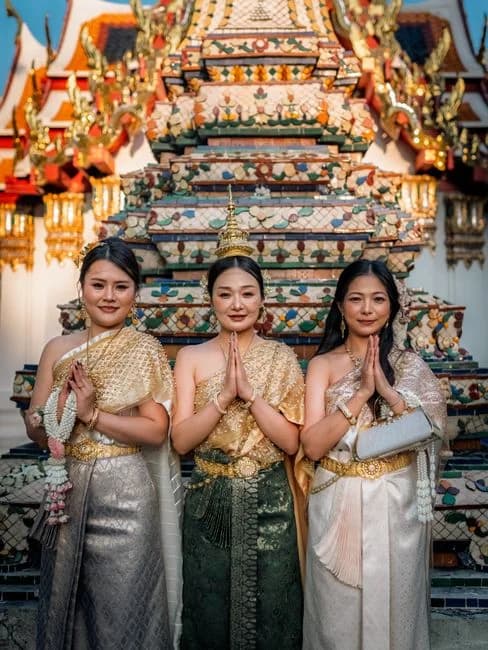
When you hear "Thailand Holidays," it covers three distinct categories: Thailand public holidays set by the Thai government, religious observances tied to Buddhism and Islam, and major festivals that draw global crowds. In 2026, Thailand has 16 official public holidays, plus numerous religious days and festivals like Songkran and Loi Krathong.
Understanding this mix is key to planning your trip: you don’t want to arrive during a bank holiday closure or miss the biggest party of the year.
{{SECTION_02_VIDEO_1}}
Why holidays matter for your travel plans
Public holidays in Thailand often create three-day weekends, and that means domestic travel spikes. Hotels in popular spots like Bangkok, Chiang Mai, and Phuket fill up fast, and prices jump.
Religious holidays like Makha Bucha Day come with alcohol sales bans and temple visits, a unique cultural experience but a surprise if you weren’t expecting it. If you’re looking for the best time to visit Thailand, aligning with a festival can be incredible, but avoid the immediate rush of domestic travelers.
Overview of holiday types: public, religious, festival
Official public holidays are set by the Thai government and include days like Coronation Day and Constitution Day. Banks, government offices, and some shops close.
Religious holidays follow the Buddhist calendar: Makha Bucha Day, Visakha Bucha Day, Asahna Bucha Day, and often involve merit-making at temples. Alcohol sales are banned on these days, so plan your bar visits accordingly.
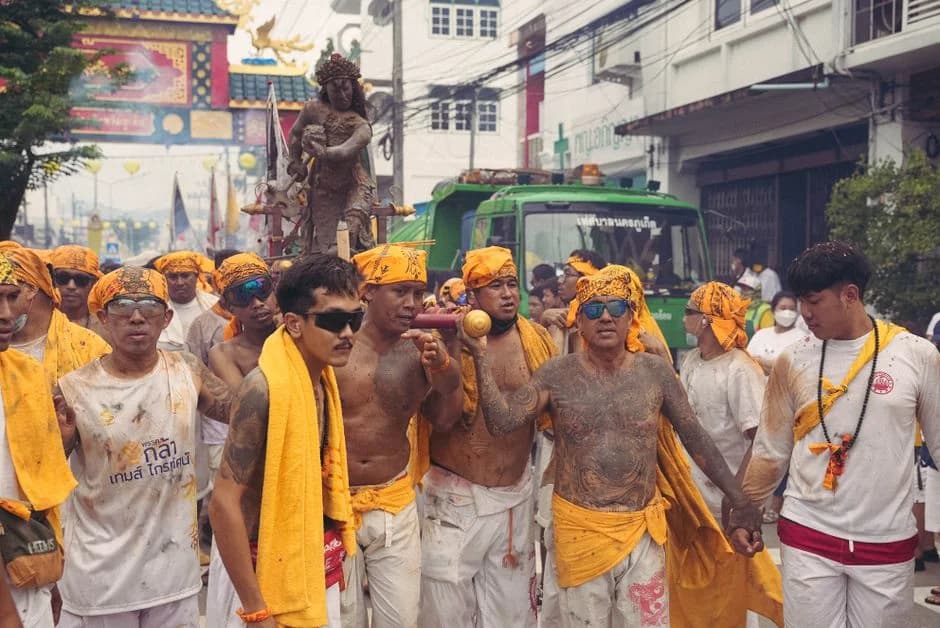
For Thailand festivals 2025, Songkran, Loi Krathong, and Yi Peng in Chiang Mai are the highlights. These attract millions of tourists and require early booking for flights and accommodation.
The full moon party on Ko Phangan is another massive draw. Expect higher prices for everything from Thai baht exchange rates to tuk-tuk rides and Thai massage sessions.
{{
Official Public Holidays in Thailand
Thailand observes 16 official public holidays each year, and knowing them is essential for planning your Thailand Holidays. These dates affect everything from bank hours to domestic flight prices, and some religious holidays come with an alcohol sales ban.
The 2026 calendar includes major celebrations like Songkran (April 13–15) and the King’s Birthday (July 28), plus lunar-based religious days that shift annually.
 Save
Save
Complete list of 2026 public holidays in Thailand
| Date | Holiday Name | Type | Description |
|---|---|---|---|
| January 1 | New Year’s Day | National | Start of the year; most businesses closed. |
| February 11 | Makha Bucha Day | Religious | Buddhist holy day; alcohol ban in effect. |
| April 6 | Chakri Day | National | Commemorates the Chakri Dynasty. |
| April 13–15 | Songkran Festival | National | Thai New Year; water fights nationwide. |
| May 1 | Labor Day | National | International Workers’ Day; banks closed. |
| May 4 | Coronation Day | National | Celebrates the King’s coronation. |
| May 20 | Visakha Bucha Day | Religious | Buddha’s birth, enlightenment, death; alcohol ban. |
| July 9 | Asahna Bucha Day | Religious | Buddha’s first sermon; alcohol ban. |
| July 10 | Buddhist Lent Day | Religious | Start of three-month monastic retreat. |
| July 28 | King’s Birthday | National | HM King Maha Vajiralongkorn’s birthday. |
| August 12 | Queen’s Birthday | National | HM Queen Sirikit’s birthday; Mother’s Day. |
| October 23 | Chulalongkorn Day | National | Honors King Chulalongkorn. |
| December 5 | King Bhumibol’s Birthday | National | Father’s Day; commemorates late King. |
| December 10 | Constitution Day | National | Anniversary of 1932 constitution. |
| December 31 | New Year’s Eve | National | Celebrations; many businesses close early. |
How do these holidays actually affect your trip? Banks and government offices close, so plan currency exchanges and visa runs around them.
On religious holidays like Visakha Bucha (May 20), alcohol sales are banned nationwide from midnight to midnight , bars and convenience stores comply strictly. Public holidays that fall on weekends are compensated with a weekday off, creating long weekends that spike domestic travel.
Avoid booking flights on the eve of these long weekends; prices can double. For a deeper dive into each holiday’s history and exact dates, check our Thailand public holidays guide.
Regional variations in holiday observance
While the national holidays are uniform, local celebrations differ. Chiang Mai throws the most exuberant Songkran, with water fights lasting days, while Phuket focuses on family visits and temple ceremonies.
Bangkok sees massive crowds at Khao San Road but quieter observances in residential areas. If you’re planning a Thailand vacation around a specific festival, research how that region celebrates , it can change your experience entirely.
Warning
On religious holidays (Makha Bucha, Visakha Bucha, Asahna Bucha, Buddhist Lent), alcohol sales are banned nationwide from midnight to midnight. This includes bars, restaurants, and convenience stores. Plan your evenings accordingly , stock up the day before if you want a drink.
Best Time to Visit Thailand by Region
Thailand’s weather isn’t one-size-fits-all, and that’s where most travelers get tripped up. The country has three main seasons , cool, hot, and rainy , but the north and south operate on different schedules.
Bangkok and the central plains follow the classic pattern, while Chiang Mai in the north and Phuket in the south have their own microclimates. So when should you plan your Thailand vacation?
It depends entirely on where you’re headed.
 Save
Save
For Northern Thailand, the cool season from November to February is unbeatable. The air in Chiang Mai is crisp and clear, perfect for temple-hopping or hiking in the hills.
This is also when Loi Krathong and Yi Peng light up the sky , a magical time to visit. If you’re planning around Thailand festivals 2025, Yi Peng in November is a highlight.
But be aware of the burning season from February to April, when agricultural smoke can blanket the region. Prices for accommodation spike during Yi Peng, so book early if you’re taking holidays in Thailand during that window.
For Southern Thailand, the story splits between two coasts. The Andaman coast (Phuket, Krabi) is best from November to April, with calm seas and sunshine.
The Gulf coast (Koh Samui, Koh Phangan) has a different rainy season , October to December , so January to March is your safest bet. The full moon party on Koh Phangan is legendary, but if you visit during the rainy season, you might be dancing in the rain.
A good Thailand travel guide will always separate the two coasts. For guaranteed sunshine, the Andaman coast is more reliable from November to April.
As of 2026, the best strategy is to plan around both weather and festivals. Songkran in April brings water fights nationwide, but also crowds and higher prices.
Factor in Thai baht exchange rates and tuk-tuk fares when budgeting. For a more detailed breakdown, check out our best time to visit Thailand guide.
Once you’ve nailed the timing, the next step is figuring out the cost , which we cover next.
Cost of a Thailand Holiday (Budget, Mid-Range, Luxury)
Thailand delivers incredible value across every budget tier. A budget traveler can get by on 800–1,500 Thai baht per day: that covers a fan-cooled guesthouse, three street-food meals, and local transport.
Mid-range travelers spending 2,500–5,000 baht daily enjoy air-conditioned rooms, sit-down restaurants, and the occasional tuk-tuk ride. Luxury travelers can easily spend 10,000 baht or more, but that buys five-star resorts, private transfers, and world-class spa treatments.
The biggest mistake visitors make is overpaying for accommodation in tourist hubs. A private room in a Chiang Mai guesthouse costs 400–800 baht, while a similar room in Phuket’s Patong Beach runs 1,500–3,000 baht.
Street food keeps costs low , a plate of pad thai or som tam costs 40–60 baht. A Thai massage in a local shop is 200–300 baht per hour, far cheaper than any spa.
 Save
Save
Luxury in Thailand remains a bargain compared to Europe or the Maldives. A five-star resort in Koh Samui might cost 8,000–15,000 baht per night in high season, but that same room drops to 4,000–6,000 baht in the green season.
The real splurge is on private experiences , a long-tail boat charter, a cooking class with a local chef, or a private dinner on the beach. Avoid the overpriced beachfront restaurants in Phuket; walk one street inland for better food at half the price.
Understanding these cost ranges helps you allocate your budget wisely. That leaves room for the experiences that make a Thailand trip unforgettable , Songkran water fights, Loi Krathong lantern releases, or a full moon party on Koh Phangan.
Next, let’s look at the hidden gems that most tourists miss.
Hidden Gems: Off-the-Beaten-Path Destinations
Most Thailand Holidays focus on the famous spots like Bangkok and Phuket, but the real magic lies in the hidden gems. Take Pai, a mountain town in northern Thailand where the air smells of fresh coffee and pine.
A bungalow here costs around 500–1,000 baht per night, a fraction of what you’d pay in Chiang
Major Festivals and Events (Songkran, Loi Krathong, Yi Peng)
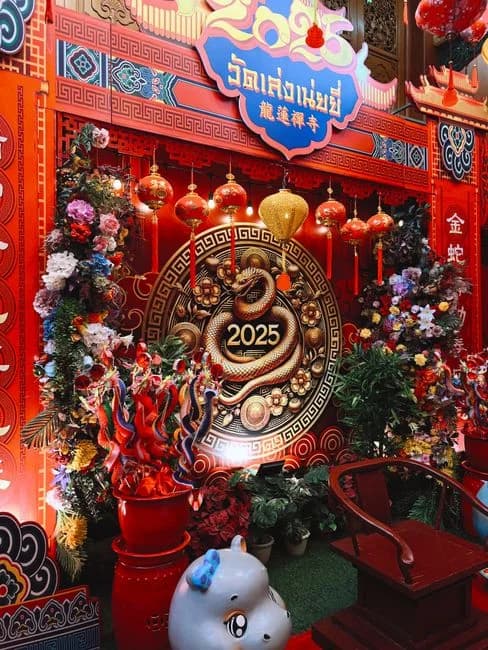
If you time your Thailand vacation right, you’ll land in the middle of Songkran , the Thai New Year water festival, April 13–15. Expect the streets of Bangkok and Chiang Mai to turn into massive water fights.
The smell of talcum powder and the sound of laughter fill the air. A common mistake? Not booking accommodation early , hotels in Chiang Mai sell out months in advance.
Water guns cost 100–300 Thai baht, and you’ll want one. Songkran is also a time for family and temple visits, so don’t just focus on the splashing.
 Save
Save
Come November’s full moon, Loi Krathong and Yi Peng transform the country. In Chiang Mai, Yi Peng’s lantern releases (khom loi) are the most spectacular , thousands of glowing orbs rise into the night sky.
The scent of incense and candlelight from krathongs floating on rivers creates a magical atmosphere. An unexpected discovery: lantern releases are now regulated in Chiang Mai due to safety, so book a ticketed event.
This is the best time to visit Thailand for a cultural spectacle. Loi Krathong is celebrated nationwide, but Yi Peng in Chiang Mai is the standout.
Other events like the full moon party on Koh Phangan are more commercial , a tourist trap if you’re seeking authentic culture. If you dislike crowds, avoid Songkran in major cities; head to smaller towns instead.
During Songkran, try khao chae (rice soaked in jasmine-scented water) , a seasonal dish you won’t find year-round. Understanding these festivals is key, but knowing how to behave respectfully during them is just as important.
Cultural Etiquette and Local Customs
Navigating cultural etiquette on a Thailand vacation starts with understanding the wai , the slight bow with palms pressed together. It’s the standard greeting, but don’t use it for children or service staff.
A common mistake is not removing shoes before entering a temple or someone’s home. The scent of incense and jasmine hits you the moment you step inside a temple in Bangkok.
Early mornings are quieter and cooler , ideal for temple visits. A Thai massage costs around 300–500 baht, and tipping is appreciated but not expected.
 Save
Save
During Songkran (Thai New Year in April), water fights dominate the streets, but respect for elders remains key. Loi Krathong in November involves floating lanterns on rivers , a beautiful but crowded event.
The Thai concept of sanuk (fun) and mai pen rai (no worries) shapes daily interactions. In Chiang Mai, the pace is slower and etiquette feels more relaxed than in Bangkok.
Watch out for tuk-tuk drivers who overcharge tourists , agree on the fare before getting in. For a deeper dive into specific customs, check out this Thailand cultural etiquette guide.
Dress modestly at temples: cover shoulders and knees. Never touch someone’s head , it’s considered sacred.
Pointing your feet at a Buddha image is a major faux pas. Thais eat with a spoon and fork, not chopsticks , an unexpected discovery for many visitors.
Street food like som tam (papaya salad) costs 50–100 baht and is a must-try. As of 2026, temple dress codes remain strictly enforced, so pack a scarf or long pants.
Understanding these customs will make your trip smoother and more rewarding.
Getting Around: Transportation Options and Costs
Getting around Thailand during your Thailand holidays means choosing between tuk-tuks, songthaews, trains, buses, and domestic flights. In Bangkok, a short tuk-tuk ride starts around 40–60 baht , always negotiate before hopping in.
During Songkran, traffic in Chiang Mai and Phuket grinds to a wet, chaotic halt, so plan extra time. The smell of grilled meat and two-stroke exhaust fills the air as you weave through narrow sois , that’s the real Bangkok.
 Save
Save
Domestic flights between Bangkok and Chiang Mai can drop to 1,000–1,500 baht if booked a month ahead. Overnight sleeper trains are slower but far more scenic , you wake up in a different region.
A common mistake is assuming all taxis use the meter; many in tourist areas refuse. During Loi Krathong and Yi Peng, book trains and flights at least two weeks in advance , they sell out fast.
Buses and minivans are the cheapest option, with fares from 200 baht for a 3-hour trip. But comfort varies wildly , some minivans pack in extra passengers.
A tourist trap to watch for: drivers quoting inflated prices at bus stations. For long hauls, the train or a budget airline is worth the extra cost.
Getting to Koh Phangan for the full moon party requires a ferry from Surat Thani or Koh Samui , book ahead or pay triple.
As of 2026, ride-hailing apps like Grab are widely available in major cities and eliminate haggling. For short hops, a songthaew (shared pickup truck) costs 20–40 baht per person.
The key is matching your transport to the season: during holidays, book everything early. With transportation sorted, the next step is understanding visa requirements.
Visa Requirements for Thailand
Most travelers on a Thailand holiday don’t need a visa in advance. Citizens from over 60 countries get a 30-day visa exemption on arrival by air, and 15 days by land.
If you’re not exempt, a visa on arrival costs 2,000 THB (around $55) and is available at major airports like Bangkok and Phuket. That’s the simplest route for a short Thailand vacation.
A common mistake is assuming the 30-day exemption covers longer stays. If you plan to extend your holidays in Thailand beyond that, you’ll need a tourist visa (single or multiple entry) from a Thai embassy before you go.
Overstaying even a day incurs a fine of 500 THB per day , and it can cause issues at immigration. For those spending time in Chiang Mai or other northern cities, the 60-day tourist visa is a better fit.
Processing times vary. E-visas through the official Thai website take 3–5 business days, while embassy applications can take up to two weeks. For a complete list of eligible countries and fees, refer to this detailed guide on Thailand visa requirements.
As of 2026, the Thailand Pass is no longer required, so entry is straightforward for most.
If your Thailand trip coincides with Songkran (April) or other major festivals, apply early , immigration offices and embassies may have reduced hours or longer queues. The visa on arrival is convenient but only valid for 15 days, which may not be enough for a full Thailand holiday.
Plan ahead to avoid last-minute stress.
Safety and Health Advice for Travelers
Thailand is a safe destination for most travelers, but a few common mistakes can turn your Thailand vacation into a headache. The biggest one? Skipping travel insurance.
A motorbike accident or a bout of food poisoning can cost you thousands of Thai baht in hospital bills. A private clinic visit for something minor runs around 1,000–2,000 baht, but a serious incident can easily hit six figures.
Don’t risk it.
Road accidents are the leading cause of death among tourists in Thailand. Tuk-tuks are fun for short hops, but for longer distances, a metered taxi or Grab is safer.
Renting a scooter without a valid international driving permit is a common mistake. It’s not just illegal, it’s dangerous.
During Songkran in April, road accidents spike dramatically, so avoid driving then. If you do rent, always wear a helmet.
Food and water safety is straightforward: stick to bottled water and eat at busy stalls. Dengue fever is a real risk, especially in rainy season.
Pack DEET repellent and consider a travel clinic visit before you go. As of 2026, cases have been rising, so don’t skip the repellent.
Thai massage is generally safe, but avoid it if you have serious back issues.
If your holidays in Thailand coincide with Songkran or a full moon party, take extra precautions. During Songkran, keep your phone and wallet in a waterproof bag, and never drink and drive.
The full moon party on Koh Phangan is legendary, but theft and drink spiking happen. Stay with friends and watch your drink.
With these precautions, you’ll have a smooth trip.
Sample Itineraries for 5, 7, 10, 14 Days
Planning a Thailand vacation means deciding how much time you have. Five days is enough for one city and a beach escape , think Bangkok plus Phuket or Chiang Mai.
Seven days opens up a second region. Ten to fourteen days lets you explore the north, the south, and the islands without rushing.
The key is matching your itinerary to the season and any major festivals like Songkran or Loi Krathong.
 Save
Save
For a 5-day trip, land in Bangkok, spend two days on temples and street food, then fly to Phuket for three days of beach and island hopping. A 7-day itinerary works better: start in Bangkok (3 days), take the night train to Chiang Mai (3 days), and end with a day trip to Doi Suthep.
This avoids the common mistake of trying to cover both coasts in a week , you’ll spend more time in transit than on holiday.
A 10-day Thailand trip gives you room for a third stop. Try Bangkok (3 days), Chiang Mai (3 days), and Phuket or Krabi (4 days).
For 14 days, add an island like Koh Samui or Koh Phi Phi, or include a full week in the north with a homestay in Pai. Budget travelers can keep daily costs under 1,500 Thai baht including accommodation and street food.
Mid-range travelers should expect 3,000–5,000 baht per day.
If your dates align with a public holiday, build your itinerary around it. Songkran in April transforms Bangkok and Chiang Mai into giant water fights , book accommodation months ahead.
Loi Krathong in November is quieter but magical, especially in Chiang Mai where Yi Peng lanterns fill the sky. A 10-day trip timed around either festival is unforgettable.
Packing List by Season and Region
Packing for Thailand holidays depends entirely on when and where you go. The dry season (November to February) calls for light layers, especially in northern Chiang Mai where evenings can dip.
The rainy season (May to October) demands a quick-dry wardrobe and a reliable umbrella. A common mistake is packing only summer clothes and forgetting a light jacket for air-conditioned buses or cool northern nights.
The humidity in Bangkok during May is a wall you walk through; breathable fabrics are essential.
If your trip coincides with Songkran in April, pack a waterproof phone pouch and clothes you don’t mind getting soaked. For Loi Krathong in November, a light sweater is useful for cool Chiang Mai evenings.
If you’re heading to a full moon party on Koh Phangan, bring glow sticks and a sense of adventure, but leave expensive jewelry at home.
Save
Regional differences matter. Bangkok demands lightweight, modest clothing for temple visits, while Phuket‘s beach resorts are more relaxed. For the islands, pack reef-safe sunscreen and a rash guard for snorkeling.
A counter-intuitive tip: don’t bother with a rain jacket in the south during rainy season; a cheap poncho from 7-Eleven works better and costs less than 50 baht.
Comfortable walking shoes are non-negotiable for temple hopping, and flip-flops for the beach. Remember to cover shoulders and knees when entering temples: a sarong doubles as a scarf or beach wrap.
As of 2026, many temples provide loaner sarongs, but bringing your own saves time.
Must-Try Thai Food and Dining Tips
Thai food is the soul of any Thailand holiday. The streets of Bangkok and Chiang Mai are lined with stalls selling dishes that cost as little as 40 baht (about $1.10) as of 2026.
The smell of garlic, chili, and lemongrass fills the air. Most visitors make the mistake of eating at touristy restaurants near Khao San Road.
Skip those and follow the locals instead.
 Save
Save
Must-Try Thai Dishes
Start with pad thai , stir-fried rice noodles with shrimp, peanuts, and lime. In Chiang Mai, order khao soi, a creamy coconut curry noodle soup that defines northern cuisine.
Som tam (green papaya salad) delivers a punch of sour, spicy, and sweet. During Loi Krathong and Yi Peng festivals, you’ll find special desserts like khao tom mat (sticky rice with banana wrapped in banana leaf).
In Phuket, fresh seafood grilled on the beach is a must.
Dining Tips for Your Thailand Holiday
Eat where the locals eat. Look for stalls with a crowd and a short queue.
Avoid restaurants with English menus and picture boards: they cater to tourists and charge double. A tuk-tuk driver might recommend a place, but they often get a commission.
Instead, ask your hotel staff or a local friend.
Finish your meal with mango sticky rice and a glass of Thai iced tea. After dinner, treat yourself to a Thai massage , it’s cheap and widely available.
If you’re heading to a full moon party on Koh Phangan, sample the food stalls there too. That combination of flavors and tips will make your Thailand holiday unforgettable.
FAQ
What are the main holidays in Thailand?
The main holidays in Thailand include Songkran (Thai New Year in April), Loi Krathong (Festival of Lights in November), and Yi Peng (lantern festival in Chiang Mai). There are also many official public holidays like King’s Birthday and Constitution Day. These celebrations are deeply rooted in Thai culture and often involve family gatherings, temple visits, and vibrant street festivities.
What is the best month to visit Thailand?
The best month to visit Thailand depends on the region, but generally November to February offers the most pleasant weather across the country. During these months, temperatures are cooler and rainfall is minimal, making it ideal for beach trips and city exploration. Keep in mind that this is peak tourist season, so book flights and accommodation well in advance.
How much does a 7-day trip to Thailand cost?
A 7-day trip to Thailand can cost anywhere from $500 for a budget backpacker staying in hostels and eating street food, to $2,000 for mid-range comfort with nice hotels and some tours. Luxury travelers can easily spend $5,000 or more on private villas, fine dining, and exclusive experiences. These estimates exclude international flights.
What are some hidden gems in Thailand?
Hidden gems in Thailand include the mountain town of Pai in the north, the pristine island of Koh Lipe in the south, and the ancient ruins of Sukhothai. Khao Sok National Park offers jungle trekking and lake stays that feel worlds away from tourist crowds. These spots provide a more authentic and less crowded experience than Bangkok or Phuket.
What is Thailand’s biggest holiday?
Thailand’s biggest holiday is Songkran, the Thai New Year, celebrated from April 13 to 15. It is famous for its nationwide water fights, but also involves visiting temples, pouring scented water on Buddha statues, and paying respect to elders. The festival is a joyful mix of tradition and fun, drawing millions of locals and tourists.
Which month should I avoid visiting Thailand?
Avoid visiting Thailand in April if you dislike intense heat and massive crowds, as Songkran brings temperatures often above 35°C and water fights everywhere. March to May is the hot season across most of the country, with high humidity and occasional smog in the north. For better weather, plan your trip between November and February.
Is $50,000 enough for a Thailand trip?
$50,000 is more than enough for an extended luxury trip to Thailand, covering first-class flights, five-star hotels, fine dining, and private tours for several months. Even a lavish month-long stay would likely cost a fraction of that amount. It’s a budget that allows for the very best experiences without any financial worry.
What happens at 8am and 6pm in Thailand?
At 8am and 6pm, the Thai national anthem is played over loudspeakers in public places, including parks, train stations, and schools. Everyone is expected to stand still and show respect until the anthem ends. It’s a daily ritual that reflects the deep respect Thais have for their monarchy and country.
Is $100 a lot of money in Thailand?
$100 is a significant amount in Thailand, especially outside tourist hubs. It can cover a nice hotel night, several meals at local restaurants, and local transport like tuk-tuks and taxis. In rural areas, $100 can stretch even further, providing a comfortable day or two of expenses.
What is the boy to girl ratio in Thailand?
Thailand’s overall sex ratio is roughly balanced, with slightly more women than men (about 0.97 males per female). In tourist areas, you may notice a higher number of women due to the service industry, but the national demographic is fairly even. This ratio has remained stable for decades.
What is something you can only get in Thailand?
You can only get an authentic Thai massage from a certified temple or school, like Wat Pho in Bangkok, which is the birthplace of traditional Thai massage. Unique street foods like pad thai from a street cart in Bangkok or khao soi in Chiang Mai are also hard to replicate elsewhere. These experiences are deeply tied to local culture and craftsmanship.
Photo Credits
Maksim, Guillaume, Виктор, Toon, Haitham, Wisnu, Optical
A heartfelt thank you to the talented photographers who made this article visually come to life. Your work is truly appreciated.