Planning a Thailand holiday in 2026 means navigating more than just flight deals and hotel bookings. With official public holidays like Songkran and Loi Krathong shifting dates each year, costs ranging from 800 baht for a budget guesthouse to 15,000 baht for a luxury resort, and visa-free entry for many nationalities lasting 30 days, timing and budget planning are everything.
A tuk-tuk ride across Bangkok costs around 100-200 baht, and street food meals run 50-100 baht , small details that add up fast.
Most travelers miss the connection between Thailand’s public holidays and their travel experience. Arriving during a festival without knowing it can mean sold-out rooms and packed trains, or a once-in-a-lifetime cultural highlight.
This guide cuts through the noise, combining official holiday dates with practical travel advice so you can decide exactly when to go, what to budget, and where to find the real Thailand. Let’s start with the calendar, because in Thailand, timing is everything.
Overview of Thailand Holidays
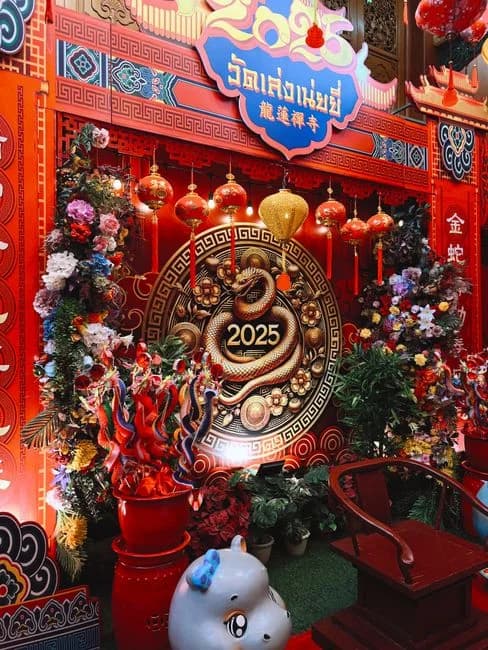
Thailand holidays mean two things: the official public holidays that shape local life, and the travel seasons that determine your experience. In 2026, Thailand celebrates 16 official public holidays, from Songkran in April to Loi Krathong in November.
These aren’t just days off, they transform cities like Bangkok, Chiang Mai, and Phuket into vibrant celebrations. The streets fill with water fights during Songkran, and the night sky glows with lanterns during Loi Krathong.
If you’re planning a Thailand vacation, knowing these dates is essential: they affect everything from flight prices to temple opening hours.
 Save
Save
The biggest mistake travelers make is treating Songkran like a normal holiday. It’s not. From April 13 to 15, the entire country turns into a water war zone.
Expect to be soaked from morning to night, even if you’re just walking to a temple. Accommodation prices in Bangkok and Chiang Mai can double during this period, and flights fill up weeks in advance.
If you want a quieter Thailand trip, avoid April entirely, or embrace the chaos and book early.
Beyond the festivals, the best time to visit Thailand depends on where you’re going. The north, around Chiang Mai, is ideal from November to February: cool, dry, and perfect for temple hopping.
The south, including Phuket and the islands, has a different rhythm: the Andaman coast shines from November to April, while the Gulf side is best from January to March. Which coast suits your travel style?
That’s the real question. A budget traveler can get by on 1,000–1,500 baht per day for street food, dorm beds, and local transport.
Understanding these regional differences is the key to a successful holiday in Thailand. The following sections break down the official holidays, costs, and hidden gems in detail.
Official Public Holidays in Thailand
Thailand’s official public holidays are a mix of fixed calendar dates and lunar-based Buddhist observances. While some holidays are fixed, others shift with the moon.
As of 2026, the country recognizes 16 official holidays, though the exact number can vary slightly by region. Most travelers don’t realize that these holidays significantly affect business hours, public transport, and even street food availability.
That’s a mistake worth avoiding.
Key holidays include New Year’s Day (January 1), Songkran (April 13-15), and Visakha Bucha Day (usually in May). Songkran is the most famous.
It’s the Thai New Year and a nationwide water fight. For example, during Songkran, you’ll see locals splashing water on everyone.
During this time, cities like Bangkok and Chiang Mai transform into massive water zones. Temples also hold ceremonies, and families reunite.
 Save
Save
Other important holidays include Makha Bucha Day (February), Asahna Bucha Day (July), and HM The King’s Birthday (July 28). Unlike Songkran, these are quieter, more spiritual days when many Thais visit temples and make merit.
For tourists, the main impact is that banks, post offices, and government offices close. Plan your errands around these dates.
Understanding the holiday calendar helps you avoid crowds and price surges. Hotel rates in popular destinations like Phuket and Koh Samui can double during Songkran week.
Why pay double when you can plan around it? If you prefer a quieter trip, consider visiting just after a major holiday.
This knowledge is essential for choosing the best time for your Thailand vacation.
Best Time to Visit Thailand by Region
The best time to visit Thailand depends entirely on which region you’re heading to. The country spans three distinct climate zones: the north around Chiang Mai, the central plains including Bangkok, and the southern beaches of Phuket and the islands.
A common mistake is assuming the whole country shares the same weather. November through February is peak season everywhere, with cool, dry conditions and clear skies.
That also means crowds and premium prices. The air in Chiang Mai turns crisp and pleasant from November to February, while Bangkok’s humidity drops to its most tolerable level.
 Save
Save
For northern Thailand, the sweet spot runs from November through February. This is the cool, dry season when hiking and temple visits are genuinely comfortable.
March to May brings intense heat and the infamous burning season, when agricultural fires blanket the region in smoke. If you want to experience Songkran (the Thai New Year water festival) in April, expect temperatures above 35°C and hazy skies.
The north is far more pleasant in the cool season than the hot season. Many travelers visit Chiang Mai in March expecting pleasant weather, only to find smoky skies and poor air quality.
Southern Thailand splits into two coastlines with opposite monsoon patterns. The west coast (Phuket, Krabi, Phi Phi) sees its best weather from November to April, with calm seas and blue skies.
The east coast (Koh Samui, Koh Phangan, Koh Tao) enjoys a longer dry season from January to September, but November and December bring heavy rain. A common tourist trap is booking Koh Samui in November thinking it’s dry season , it’s actually the wettest month there.
Phuket’s monsoon runs May to October, with rough seas that can cancel ferry trips. For a Thailand vacation that balances good weather and lower prices, consider the shoulder months of November or March.
Central Thailand, including Bangkok, is hot year-round but most comfortable from November to February. The cool season brings temperatures in the high 20s and low humidity, making it ideal for exploring temples and street food markets.
March to May is scorching, with April often exceeding 40°C. The rainy season (June to October) sees daily downpours but also fewer tourists and lower hotel rates.
Once you’ve settled on the best time for your chosen region, the next step is figuring out the cost , and that’s where the real planning begins.
Cost of a Thailand Holiday (Budget, Mid-Range, Luxury)
The cost of a Thailand vacation in 2026 ranges from budget-friendly to surprisingly affordable luxury. A budget traveler can get by on 800–1,200 baht per day (roughly $22–$33), covering a dorm bed, street food meals, and local transport.
Mid-range travelers should budget 2,500–4,000 baht per day for a private room, nicer meals, and occasional tours. Luxury travelers can easily spend 8,000 baht or more per day on five-star resorts, private drivers, and fine dining.
Budget accommodation is plentiful in backpacker hubs like Bangkok‘s Khao San Road and Chiang Mai‘s Old City, where dorm beds start at 200 baht. Street food is your best friend: a plate of pad thai or som tam costs 40–60 baht, and a bottle of water is 10 baht.
Tuk-tuk rides in Bangkok start at 50 baht for short trips, but always negotiate the fare before hopping in. A common mistake is booking accommodation too far in advance through online platforms, which often inflates prices.
Walking in and asking for a room can save you 20–30%. When planning your Thailand trip budget, remember that local transport is cheap but adds up if you take multiple tuk-tuks daily.
Mid-range travelers in Phuket or Koh Samui can find comfortable beachfront bungalows for 1,500–2,500 baht per night. Private tours to temples or national parks cost around 1,000–2,000 baht per person.
Luxury resorts in Phuket’s Bang Tao area charge 5,000–10,000 baht per night, but during peak season (December–February) prices can double, making it less of a bargain. One insider tip: book directly with the hotel for perks like free airport transfers or room upgrades.
Luxury travelers should also budget for spa treatments, which range from 1,000 baht for a Thai massage to 5,000 baht for a full-day package. For a mid-range holidays in Thailand, the sweet spot is the shoulder season (April–June and September–November) when prices drop and crowds thin.
Don’t forget to factor in flights, visa fees (if applicable), and travel insurance. Major festivals like Songkran and Loi Krathong can drive up accommodation prices by 30–50%, so book early if you plan to attend.
The best time to visit Thailand for lower costs is the low season (May–October), though you’ll face more rain. Once you’ve nailed down your budget, the next step is deciding where to go.
Thailand’s hidden gems offer incredible value for those willing to venture off the beaten path.
Hidden Gems: Off-the-Beaten-Path Destinations
Most visitors to Thailand stick to the well-trodden triangle of Bangkok, Chiang Mai, and Phuket. But the real magic lies in places like Sukhothai Historical Park, a UNESCO World Heritage site that rivals Angkor Wat in scale without the crowds.
Entry costs just 100 baht (about $3), and as of 2026, the park has introduced an English audio guide that brings the 13th-century ruins to life. Go at sunrise , the light hits the Buddha statues in a way that makes the whole place feel sacred.
Most tourists rush through in an hour, but you need at least half a day to explore the outer temples by bicycle. That’s where the real discoveries are.
 Save
Save
Further south, the Trang islands offer a quieter alternative to the packed beaches of Phuket and Koh Phi Phi. Koh Muk and Koh Kradan have the same limestone cliffs and emerald water, but with a fraction of the tourists.
A longtail boat from Trang town to Koh Muk costs around 600 baht, and you can find basic bungalows for 800 baht a night. The local seafood , grilled snapper with tamarind sauce , is some of the best in Thailand.
Most travelers skip Trang entirely, which is a mistake. The snorkeling here rivals the Similan Islands without the crowds.
Head north to Nan province for a completely different Thailand. The misty mountains and quiet temples here feel a world away from Chiang Mai’s touristy old city.
Guesthouses start at 500 baht per night, and the best time to visit is between November and February when the weather is cool and dry. Nan is not a party destination , skip it if you want nightlife.
But for authentic northern Thai culture, it’s unbeatable. The local specialty, khao soi (curry noodle soup), is worth the trip alone.
Major Festivals and Events (Songkran, Loi Krathong, Yi Peng)
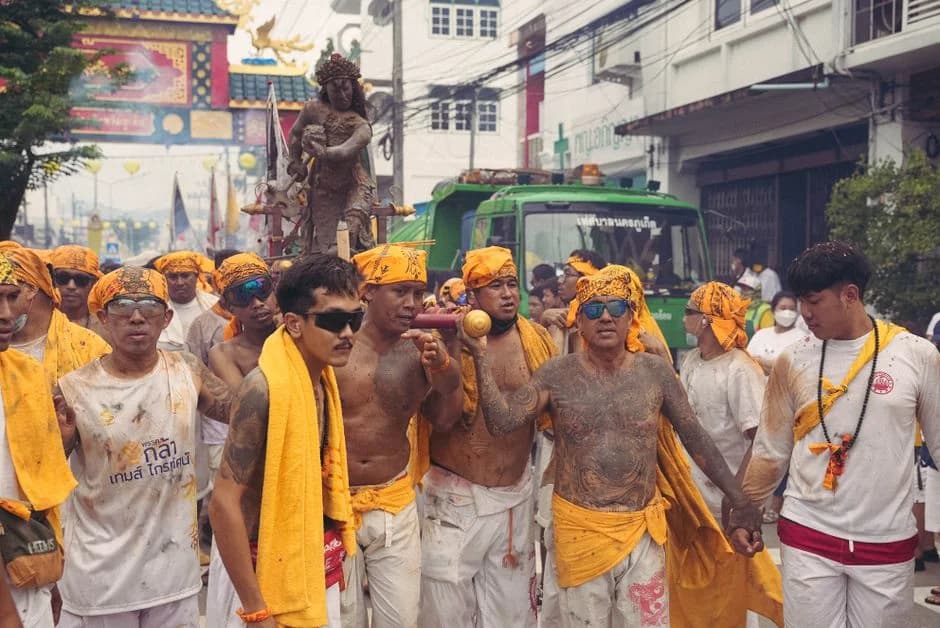
Thailand festivals Songkran celebrations are legendary, turning the country into a massive water fight every April. The energy is electric, the streets are packed, and everyone gets soaked.
Expect to pay around 100-200 baht for a water gun, and protect your phone with a waterproof pouch, a common mistake first-timers make. Street food stalls thrive during Songkran, offering cooling treats like coconut ice cream and grilled meats.
If you’re planning Thailand Holidays around this time, book accommodation months in advance. Prices double and rooms sell out fast.
But is Songkran for everyone? Not if you dislike crowds and getting drenched.
Come November, Thailand lights up for Loi Krathong and Yi Peng. In Chiang Mai, these festivals overlap, creating a spectacle of floating lanterns and candlelit krathongs drifting down rivers.
The sight of thousands of khom loi (sky lanterns) rising into the night is unforgettable. Expect to pay around 50-100 baht for a krathong to release, or join a free public ceremony.
A common mistake is assuming Yi Peng happens nationwide. It’s primarily a northern tradition centered on Chiang Mai.
The sensory experience is magical: the soft glow of lanterns, the smell of incense, and the gentle splash of krathongs on water. Imagine thousands of lanterns drifting into the night sky.
That’s Yi Peng.
Attending these festivals requires planning. For Songkran, book accommodation at least three months ahead.
Prices can triple in popular areas like Bangkok and Phuket. For Loi Krathong and Yi Peng, arrive in Chiang Mai a day early to secure a good spot.
Protect your electronics with waterproof bags during Songkran, and avoid wearing expensive clothes. A common mistake is forgetting that Songkran is a nationwide event.
Even quiet towns join in. Have you packed a waterproof phone case yet?
If not, add it to your list. If you’re planning a Thailand vacation around these dates, factor in higher costs.
Thailand’s festivals offer a deep dive into local culture, but they also come with practical challenges. Understanding the timing, costs, and etiquette ensures you enjoy them without stress.
That cultural awareness extends beyond festivals. It’s essential for everyday interactions when you travel to Thailand.
That’s the beauty of Thailand’s festivals: they’re immersive cultural experiences.
Cultural Etiquette and Local Customs
Understanding Thailand cultural etiquette before you go will save you from awkward moments. The most common mistake visitors make is touching someone’s head , it’s considered the most sacred part of the body.
Equally important: never point your feet at a person or Buddha image. These small gestures show deep respect in Thai society.
 Save
Save
Temple Etiquette: Dress and Behavior
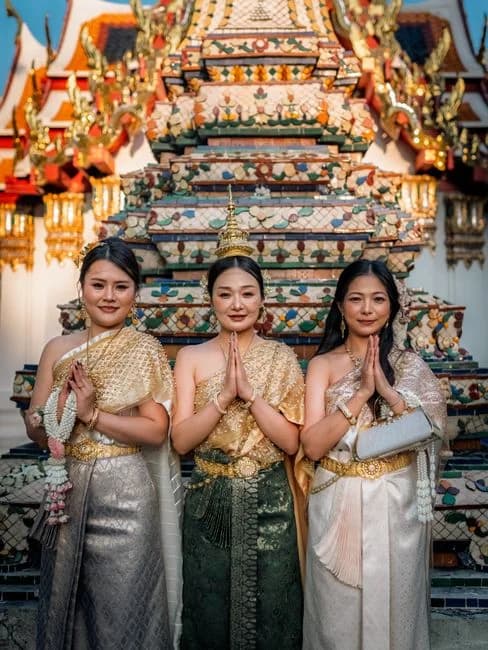
When visiting temples in Bangkok, Chiang Mai, or Phuket, dress modestly , cover shoulders and knees. Remove shoes before entering any temple building.
Keep your voice low and never sit with your feet pointing toward the altar. A small donation of 20–50 Thai baht is customary and appreciated.
Food and Social Customs
Street food etiquette is simple: use a spoon for rice dishes, fork only to push food onto the spoon. Chopsticks are reserved for noodle soups.
Tipping isn’t expected but rounding up the bill or leaving 20–50 baht is a nice gesture. During Songkran (Thai New Year, mid-April), water fights are fun but respect elders by not splashing them directly.
Loi Krathong (November) involves floating lanterns , participate respectfully by using biodegradable materials.
These Thailand travel tips will help you navigate local customs with confidence. The key is to observe, smile, and follow the lead of locals , that’s the real secret to a smooth holiday in Thailand.
Getting Around: Transportation Options and Costs
Getting around Thailand is easier than you think, but the costs and time vary wildly depending on where you are. In Bangkok, the BTS Skytrain and MRT subway are your best friends , they’re fast, air-conditioned, and cost 16–59 baht per trip depending on distance.
The heat and noise of Bangkok traffic hit you the moment you step outside, so avoid rush hour (7–9am and 5–7pm) if you can. Many first-timers assume taxis will use the meter , they often won’t, especially near tourist spots.
Always negotiate or insist on the meter. Tuk-tuks are fun for a short ride but often overcharge tourists; agree on a price before getting in.
For a mid-range Thailand holiday cost, budget around 200–400 baht per day for local transport in the city.
 Save
Save
For longer distances, trains and buses are the backbone of intercity travel. The overnight train from Bangkok to Chiang Mai is a classic experience , second-class sleeper berths run 600–1,500 baht and include a meal.
As of 2026, the new high-speed rail project is still under construction, but the overnight train remains a reliable budget option. Domestic flights with budget airlines like AirAsia can be cheaper than the bus if you book early , expect 1,000–2,500 baht for a Bangkok–Phuket flight.
Once you’re in a smaller city, songthaews (shared pickup trucks) are the local way to get around; they cost 20–40 baht per ride in Chiang Mai.
Island hopping requires ferries and minivans, and this is where costs add up. A ferry from the mainland to Koh Samui costs 300–600 baht, while a speedboat to the Phi Phi Islands runs 600–1,200 baht.
Renting a motorbike is a popular option on islands like Phuket and Koh Samui , expect 200–300 baht per day. But here’s the common mistake: renting a motorbike without an international driving permit can lead to fines or insurance issues.
Some ferry operators overcharge at the pier , book online in advance to avoid the tourist trap. The salt air and engine fumes mix as you wait for the ferry, but the views make it worth it.
That combination of options makes travel to Thailand flexible for any budget. The key is matching the mode to your route and timing.
With transport sorted, the next thing to tackle is your visa , here’s what you need to know before you go.
Visa Requirements for Thailand
Planning a Thailand holiday starts with understanding the entry rules. As of 2026, citizens of over 60 countries can enter visa-free for up to 60 days , a significant extension from the previous 30-day limit.
That covers most of Europe, the US, Canada, Australia, and many Asian nations. A common mistake is assuming you can get a visa on arrival at any border.
In reality, it’s only available at major airports like Bangkok‘s Suvarnabhumi and a handful of land crossings.
If your country isn’t on the exemption list, you have two main options: a visa on arrival (VOA) or an e-visa. The VOA costs 2,000 Thai baht and requires a passport photo, proof of onward travel, and a hotel booking.
Processing at the airport can take 30–60 minutes during peak hours. The e-visa is cheaper (around 1,000 baht) and faster , you apply online before departure.
For a full breakdown of eligible countries and fees, check the detailed visa requirements page.
Overstaying your visa is the most expensive mistake travelers make. The fine is 500 baht per day, and you risk being banned from re-entry if it exceeds 90 days.
Always carry proof of onward travel , airlines often check this before boarding. During major festivals like Songkran, immigration lines can double in length, so arrive at the airport earlier than usual.
The e-visa is much more convenient than the VOA for most travelers, especially if you want to skip the queue.
Getting your visa sorted early means one less thing to worry about. Once that’s done, you can focus on staying safe and healthy during your Thailand adventure.
Safety and Health Advice for Travelers
When planning Thailand holidays, safety and health should be top of mind. The U.S. State Department currently lists Thailand at Level 1 (Exercise Normal Precautions), which matches the experience of most travelers.
Still, common mistakes like skipping travel insurance or drinking tap water can turn a dream trip into a hassle. In Bangkok, street food is a highlight, but stick to busy stalls with high turnover to avoid stomach issues.
Tuk-tuks are fun for short rides, but agree on the fare in Thai baht before hopping in , and never accept a ‘free’ ride to a gem store.
Health risks differ by region. In Chiang Mai, the burning season (February–April) brings hazardous air quality , check AQI levels before booking.
Phuket has excellent hospitals, but motorbike accidents are the top cause of injury among tourists. If you plan to ride during your Thailand vacation, get an International Driving Permit and wear a helmet.
Temples require modest dress, but that’s more about respect than safety. During Songkran, the water festival, roads become chaotic; avoid driving during peak hours.
The best time to visit Thailand for safety is the cool season (November–February), when weather is stable and crowds are manageable.
Loi Krathong, the festival of lights, involves releasing lanterns and floats , beautiful but a fire risk if not done responsibly. Stick to official events.
For remote areas during your holidays in Thailand, always carry extra cash in Thai baht, as ATMs may be scarce. Visa overstays are another avoidable headache: check your visa validity before traveling.
Thailand off the beaten path offers incredible experiences, but medical facilities are limited in rural zones. Travel insurance covering evacuation is non-negotiable.
Once you’ve got safety covered, the next step is packing , and that deserves its own guide.
Sample Itineraries for 5, 7, 10, 14 Days
What can you realistically see in 5 days? Not the whole country , and that’s fine.
Focus on one region: either Bangkok plus Chiang Mai for culture and temples, or Phuket for beaches. A 5-day Thailand vacation like this costs around 15,000–25,000 Thai baht for mid-range travel (as of 2026).
The best time to visit Thailand for these itineraries is November to February, when the weather cooperates.
 Save
Save
For 7 days, you can combine Bangkok, Chiang Mai, and a beach destination like Phuket or Krabi. Is it worth adding a third stop?
Only if you’re comfortable with internal flights and early starts. Many travelers try to squeeze in three destinations in 7 days , that’s a mistake.
The smell of street food stalls in Bangkok’s Chinatown is unforgettable, but you need time to enjoy it. Expect to spend around 30,000–45,000 baht for a comfortable 7-day trip.
A tuk-tuk ride through old Bangkok costs about 100–200 baht , budget for it.
With 10 or 14 days, you can slow down. Add off-the-beaten-path spots like Pai or Koh Lanta.
Why not extend to 14 days? You’ll have time for a deeper dive into local life, including a cooking class or a temple stay.
If you’re traveling during Songkran in April, plan for water fights and closed roads , check the Thailand public holidays calendar to avoid surprises. Don’t forget to check visa requirements , many nationalities get 30-day visa exemption, but it’s worth confirming.
A 14-day Thailand trip can run 60,000–100,000 baht for mid-range comfort. Once you’ve settled on an itinerary, the next step is packing smart , covered in the next section.
Packing List by Season and Region
Packing for a Thailand holiday means preparing for multiple climates in one trip. The country has three distinct seasons: cool (November to February), hot (March to May), and rainy (June to October).
In 2026, expect Bangkok’s hot season to hit 35°C with 80% humidity , a lightweight, breathable wardrobe is non-negotiable. The most common mistake?
Overpacking. You’ll find cheap laundry services everywhere, so pack half what you think you need.
Season-specific items make or break your comfort. During the cool season, especially in northern Chiang Mai, temperatures can drop to 15°C at night , a light jacket or sweater is essential.
For the hot season, focus on loose cotton clothing, a wide-brimmed hat, and high-SPF sunscreen. The rainy season demands a compact umbrella or a lightweight rain jacket; buying a flimsy poncho at a market stall is a tourist trap you’ll regret.
Temple-appropriate clothing (covering shoulders and knees) is a must year-round , a sarong works as a quick cover-up.
Region matters just as much as season. In Bangkok, you’ll want smart-casual attire for evenings out and modest clothes for temple visits.
Chiang Mai’s cooler evenings require layers, while the southern islands like Phuket call for swimwear, flip-flops, and reef-safe sunscreen. A pair of sturdy sandals handles both city streets and beach paths.
Don’t forget a reusable water bottle , tap water isn’t safe, but filtered refill stations are common.
Final essentials: insect repellent with DEET for jungle treks, a power bank for long travel days, and a copy of your visa and passport. Pack a small first-aid kit with diarrhea medication , street food is amazing, but your stomach may need adjustment.
Once your bag is sorted, you’re ready to dive into Thailand’s incredible food scene without distraction.
Must-Try Thai Food and Dining Tips
No Thailand Holidays trip is complete without diving into the country’s legendary street food. From Bangkok’s bustling Yaowarat Road to Chiang Mai’s night bazaars, the variety is staggering.
A plate of pad thai from a street stall costs around 50-80 baht, about $1.50-$2.50 as of 2026. The smell of sizzling garlic and chili fills the air as you walk through a market.
Where should you start? With the classics.
 Save
Save
Start with pad thai, but don’t stop there. Khao soi from Chiang Mai is a creamy coconut curry noodle soup that’s unforgettable.
A bowl costs just 40-60 baht. Many tourists order pad thai at sit-down restaurants, but that’s a mistake.
The best version comes from a street cart where the wok is fired up fresh. During Songkran, street food stalls multiply, offering special festival dishes like khao chae.
Dining etiquette is simple: use a spoon and fork, not chopsticks, for most Thai dishes. Sharing is the norm, so order several dishes for the table.
One of the best Thailand travel tips is to always carry small bills for street food. Avoid Khao San Road for authentic food; it’s overpriced and bland.
Instead, head to a local market like Or Tor Kor in Bangkok or the Sunday Walking Street in Chiang Mai.
Timing matters for the best experience. Crowds peak at dinner time, so go for an early dinner around 5pm to beat the rush.
Hop in a tuk-tuk to reach the best night markets, like Phuket’s Sunday Walking Street. The combination of flavor, price, and atmosphere is hard to beat.
With these dining tips, you’re ready to eat like a local.
FAQ
What are the main holidays in Thailand?
Thailand’s main public holidays include Songkran (Thai New Year in April) and Loi Krathong (Festival of Lights in November). Songkran is famous for its nationwide water fights, while Loi Krathong involves floating decorated baskets on rivers. Both are deeply cultural and draw visitors from around the world.
What is the best month to visit Thailand?
The best month to visit Thailand depends on the region, but November through February offers the most comfortable weather nationwide. During these months, temperatures are cooler and rainfall is minimal, especially in Bangkok, Chiang Mai, and Phuket. For a detailed breakdown by region, check the full guide.
How much does a 7-day trip to Thailand cost?
A 7-day trip to Thailand can range from $500 for a budget backpacker to $2,500 for a mid-range traveler, excluding international flights. Budget around $30-50 per day for accommodation, street food, and local transport like tuk-tuks. Luxury travelers should expect $200+ per day for resorts and fine dining.
What are some hidden gems in Thailand?
Hidden gems include Pai in northern Thailand, Koh Lipe in the Andaman Sea, and the ancient city of Sukhothai. These spots offer fewer crowds than Bangkok or Phuket, with authentic experiences like hill-tribe treks and pristine beaches. They’re perfect for travelers seeking Thailand off the beaten path.
What is Thailand’s biggest holiday?
Thailand’s biggest holiday is Songkran, the Thai New Year, celebrated from April 13-15. It’s known for massive water fights in cities like Chiang Mai and Bangkok, but also involves temple visits and family reunions. Songkran is a must-experience festival for any Thailand trip.
Which month should I avoid visiting Thailand?
Avoid visiting Thailand in April if you dislike intense heat and crowds, as it’s the hottest month and also Songkran week. The rainy season from June to October can disrupt beach plans, especially on the Andaman coast. For the best balance, plan your Thailand vacation between November and February.
Is $100 a lot of money in Thailand?
Yes, $100 (around 3,500 Thai baht) is a significant amount in Thailand, especially outside tourist hubs. It can cover a few days of budget accommodation, meals from street food stalls, and local transport. In Bangkok or Phuket, it goes less far but still stretches well for a day of sightseeing and eating.
What happens at 8am and 6pm in Thailand?
At 8am and 6pm daily, the Thai national anthem is played over public speakers in parks, train stations, and schools. Everyone stops what they’re doing and stands still as a sign of respect. It’s a unique cultural moment that visitors should observe quietly.
What is something you can only get in Thailand?
Something you can only get in Thailand is a genuine Thai massage from a certified temple or street-side shop, often costing just $6-10 per hour. You can also find unique street food like mango sticky rice and pad thai cooked fresh at night markets. These experiences are part of essential Thailand travel tips.
Photo Credits
Haitham, María, Valeriy, Kirandeep, Chama, Siarhei, Markus
A heartfelt thank you to the talented photographers who made this article visually come to life. Your work is truly appreciated.